The Global Phenomenon of Starbucks Coffee
Coffee is more than just a beverage—it’s a global cultural experience, a daily ritual, and for many, a necessary part of life. Among the countless coffee brands around the world, one name has become synonymous with this cherished drink: Starbucks Coffee. With its green siren logo recognized around the globe, Starbucks has played a pivotal role in shaping modern coffee culture, transforming it from a utilitarian morning habit into an immersive experience.
The Origins of Starbucks Coffee
Starbucks Coffee was founded in 1971 in Seattle, Washington, by three partners—Jerry Baldwin, Zev Siegl, and Gordon Bowker. The original concept wasn’t about the café experience we know today; rather, it focused on selling high-quality coffee beans and equipment. However, everything changed in the early 1980s when Howard Schultz joined the company.
Inspired by Italian espresso bars during a trip to Milan, Schultz envisioned Starbucks as more than a place to buy coffee beans—it could be a place to relax, socialize, and enjoy expertly brewed coffee. He acquired the company in 1987 and transformed it into the Starbucks Coffee we recognize now: a café-style venue that not only sells coffee but curates a welcoming atmosphere and a consistent customer experience.
The Rise of Coffee Culture
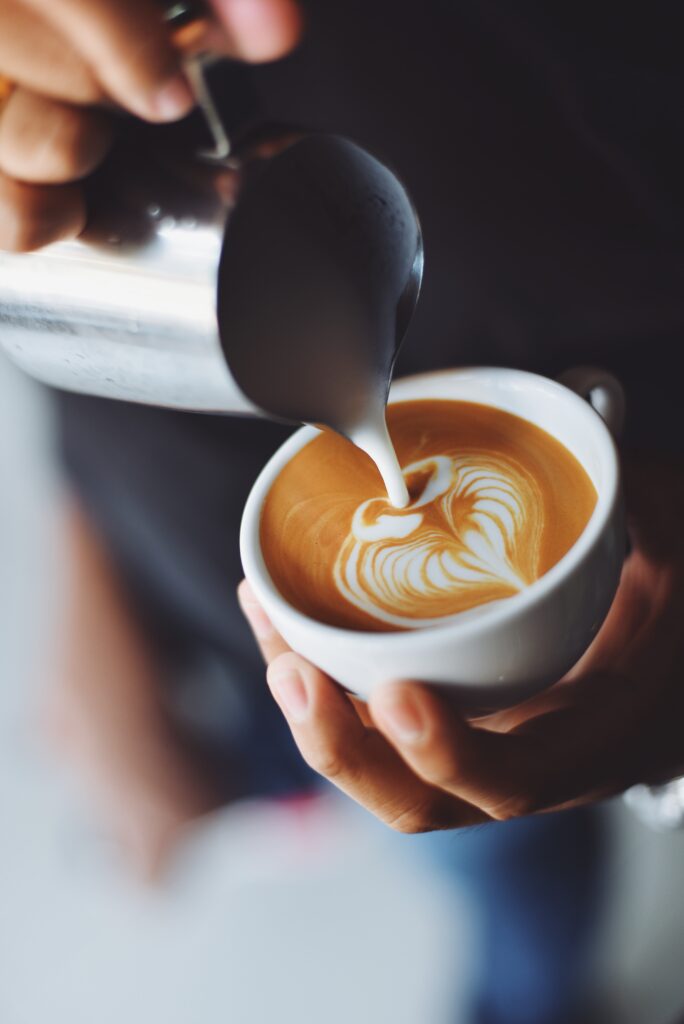
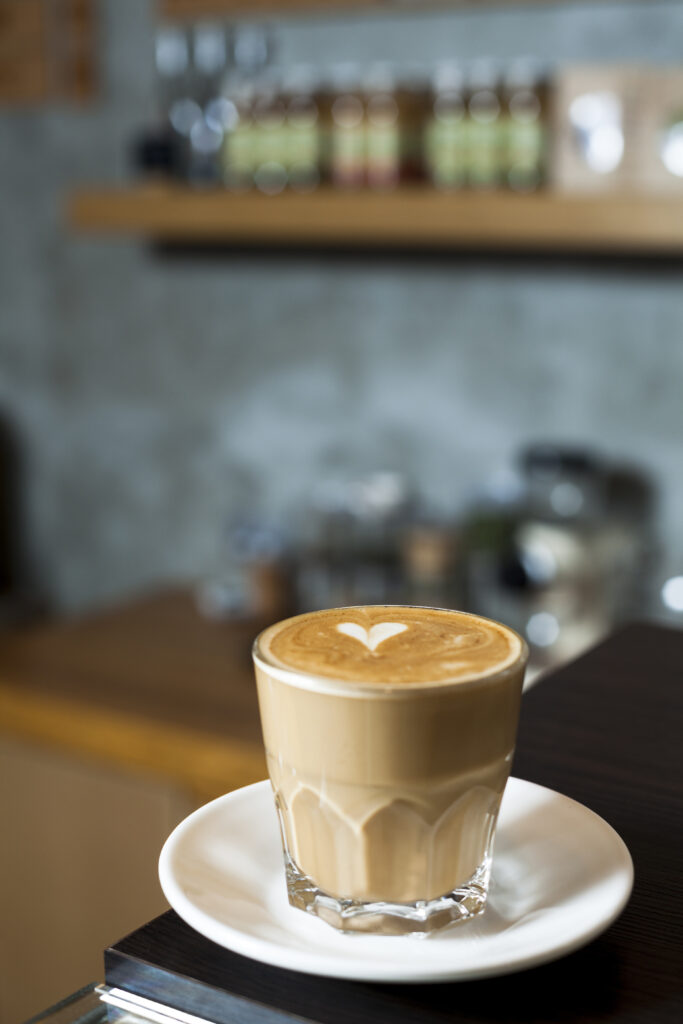
Before Starbucks Coffee exploded in popularity, coffee in many parts of the United States was typically consumed at home or in diners, usually brewed in large batches and often lacking in flavor. Starbucks introduced Americans to the espresso-based drinks that were popular in Europe—lattes, cappuccinos, and macchiatos—sparking a coffee revolution.
What set Starbucks Coffee apart was not just the quality of the product, but the experience. The stores were designed to be comfortable, featuring ambient music, cozy furniture, and Wi-Fi connectivity. People began to see Starbucks not just as a place to grab a drink, but as a “third place” between work and home, a spot where they could relax, meet friends, or even work remotely.
Global Expansion and Influence
Today, Starbucks Coffee operates in over 80 countries, with more than 35,000 locations worldwide. Its expansion is a case study in global brand success, blending standardization with local adaptation. In Japan, you might find matcha-infused beverages; in India, a masala chai tea latte; and in Mexico, horchata-flavored drinks—all customized to suit regional tastes while maintaining the signature Starbucks style.
This global footprint has allowed Starbucks Coffee to shape and define coffee culture on a massive scale. In countries where coffee wasn’t traditionally part of the daily routine, Starbucks helped popularize it, creating a new generation of coffee enthusiasts.
Starbucks Coffee and Innovation
Starbucks Coffee has remained relevant by embracing innovation and technology. Its mobile app, for example, is one of the most popular food and beverage apps in the U.S., allowing customers to order ahead, earn rewards, and make contactless payments. The company has also embraced sustainability, aiming to reduce its environmental footprint by promoting reusable cups, eliminating plastic straws, and investing in ethical sourcing through its Coffee and Farmer Equity (C.A.F.E.) practices.
In recent years, Starbucks has expanded into new beverage categories like cold brew, nitro coffee, and plant-based drinks. It has also introduced Reserve Roasteries—high-end locations in major cities where customers can enjoy rare coffee beans, artisanal brewing methods, and an immersive educational experience.
Criticism and Challenges
Despite its popularity, Starbucks Coffee is not without its critics. Some argue that its global dominance has led to the homogenization of local coffee cultures, pushing out independent cafés and traditional coffeehouses. Others have criticized the company for high prices, gentrification concerns, and labor practices. However, Starbucks has made efforts to address these issues, including offering tuition assistance to employees, supporting fair trade practices, and implementing initiatives to support community development.
The Social Impact of Starbucks Coffee
Starbucks Coffee has played a significant role in shaping social norms around coffee consumption. Terms like “venti,” “grande,” and “latte art” have become part of everyday vocabulary, while the concept of coffee as a lifestyle accessory has been deeply ingrained in consumer culture. For many, carrying a Starbucks cup is not just about convenience—it’s a personal statement.
Starbucks has also made social responsibility part of its brand. The company has taken public stances on important issues such as racial equality,Reserve Roasteries meaning of this words in english, and mental health awareness. Its stores often serve as community hubs, hosting events, supporting local causes, and promoting inclusivity.
Looking Ahead
The future of Starbucks Coffee looks promising but complex. As competition increases and consumer preferences evolve, Starbucks must continue to innovate while staying true to its core values. The demand for sustainable products, local experiences, and digital integration will shape how the brand moves forward.
Starbucks is already experimenting with smaller, pickup-only stores in urban areas, as well as eco-friendly designs and artificial intelligence in drive-thrus. With climate change impacting coffee farming worldwide, the company is also investing in agricultural research to ensure the long-term viability of coffee crops.
If you want to learn more about coffee trends, Click Here …
Conclusion
Starbucks Coffee is more than a brand—it’s a cultural touchstone that has redefined how we consume and think about coffee. From its humble beginnings in Seattle to its position as a global coffeehouse empire, Starbucks has played a vital role in making coffee an accessible, enjoyable, and meaningful part of everyday life.
As the world continues to change, Starbucks Coffee stands as a reminder that even something as simple as a cup of coffee can have a profound impact on how we connect, relax, and express ourselves. Whether you’re grabbing your usual cold brew or trying a seasonal latte, you’re taking part in a global story that continues to evolve with every sip.